Myths series
AI replaces recruiters — true or false?
Myths series · Article 2/10
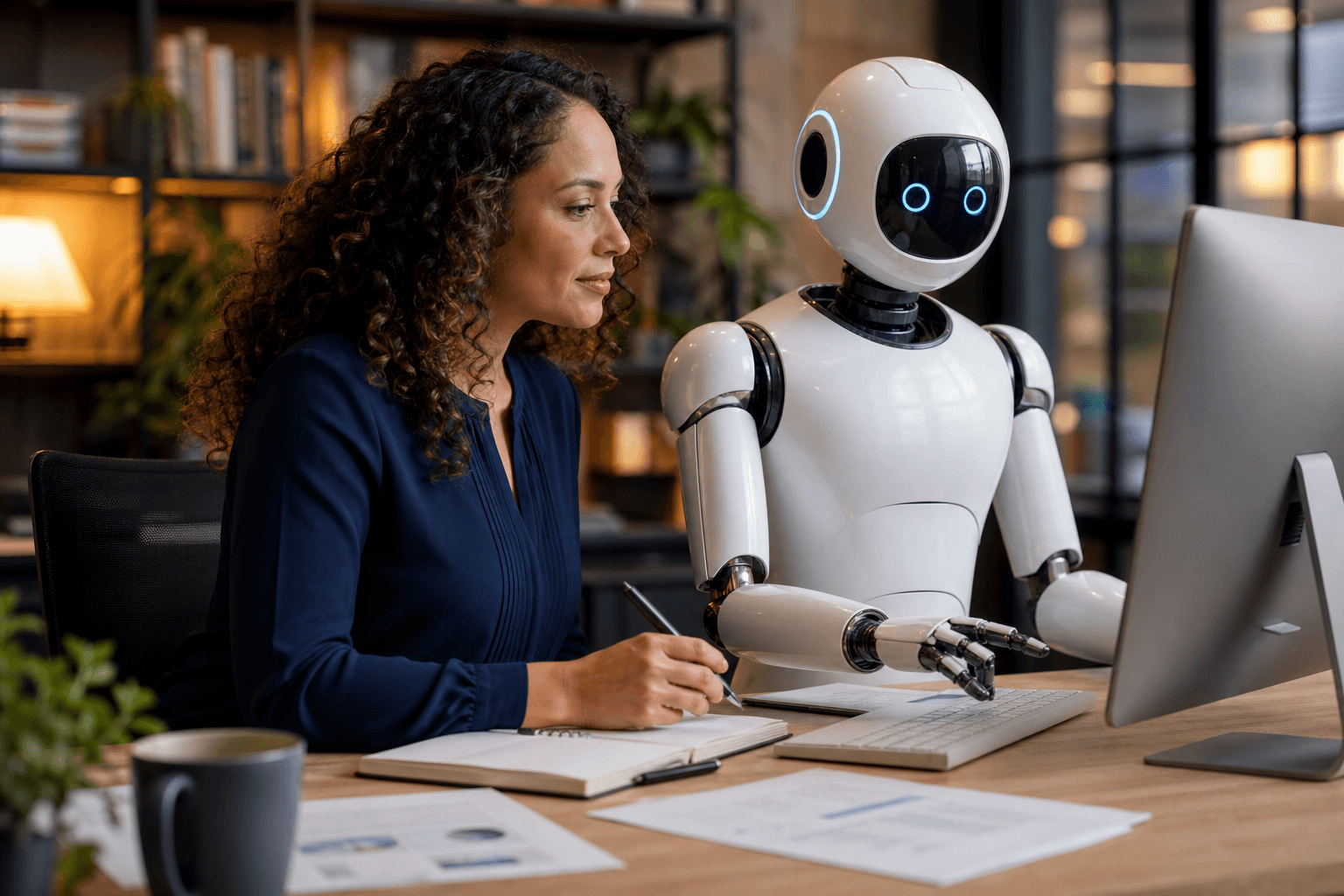
Every hiring innovation revives the same fear: machines will eliminate TA and sourcing roles. Automating pre-screening interviews fuels that anxiety, especially in lean teams worried about being replaced by a robot.
That view is disconnected from reality. Recruiters do not spend 100% of their time asking the same ten pre-screening questions — they spend large chunks coordinating managers, negotiating offers, handling staffing fires, and winning passive candidates. Those are high-value tasks AI does not replace.
Tools like Lucy absorb repetitive volume to return time where human judgment matters: reading context, culture fit, and final hiring calls.
What people say
« AI replaces recruiters. »
In practice
AI frees dozens of hours of repetitive pre-screening to reinvest in nuanced evaluation, candidate relationships, and hire decisions — it does not eliminate the recruiter role.
Where the fear comes from
Automation marketing often promises zero human involvement, which legitimately worries HR professionals. Some companies also used AI as cover to cut headcount without redesigning the process — reinforcing technology equals job cuts.
In practice, recruiter talent markets remain tight: teams are crushed by application volume, not threatened by excess free time. The gap is between roles to fill and time to evaluate well.
Time math: a concrete example
Take a standard hire with 50 qualified applicants after CV review. A 30-minute phone screen each equals 25 hours — more than three full workdays, excluding scheduling, no-shows, and write-ups.
With AI voice pre-screening, each candidate completes a structured 15–20 minute interview on their schedule; the recruiter then spends ~5 minutes per profile reading the summary and deciding who advances. For 50 profiles: ~4 hours of focused review instead of 25 hours of repetitive calls.
Those 20 recovered hours can fund deep interviews with the top 8–10 profiles — where recruiters truly create value.
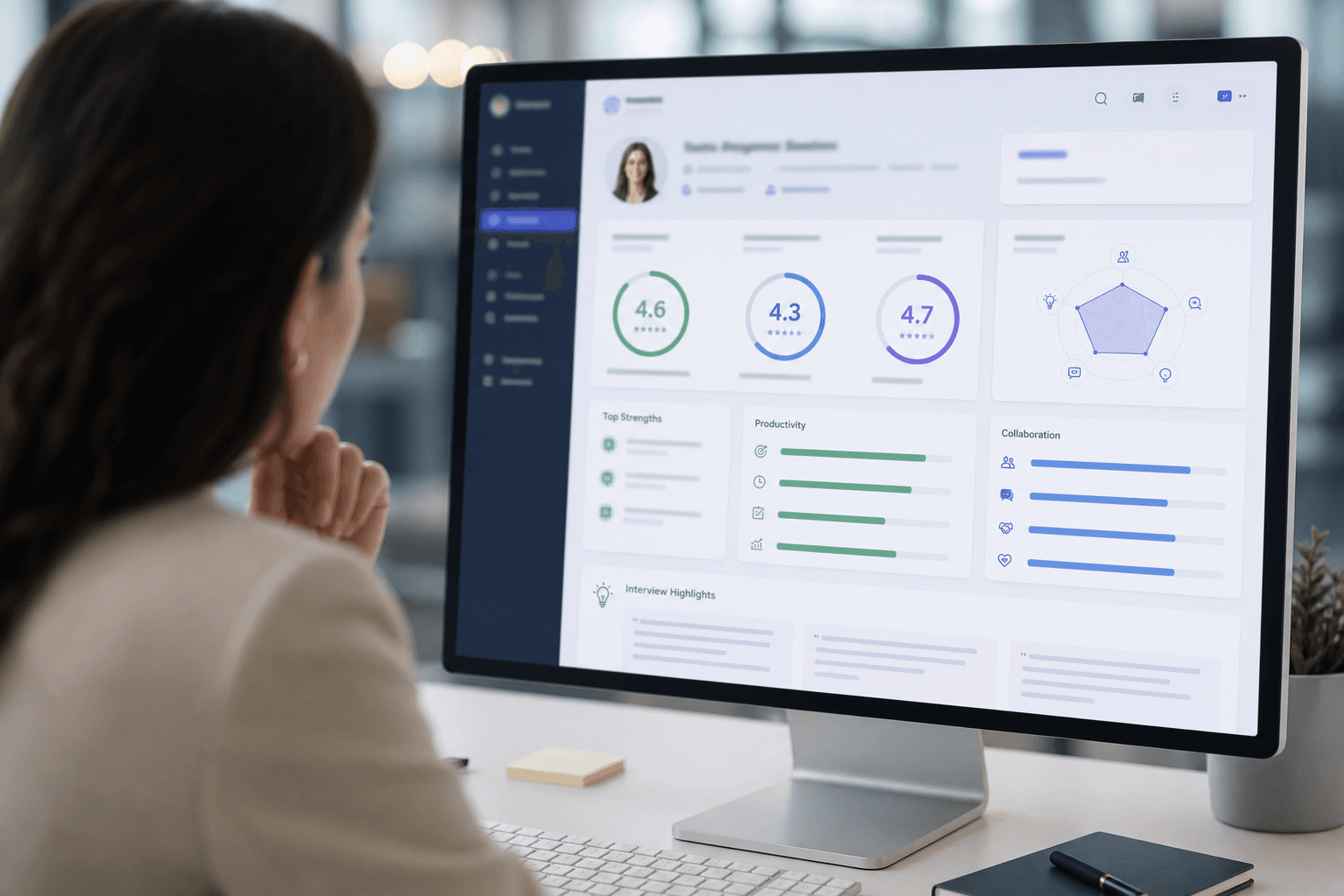
Task matrix: AI vs human
Clarifying who does what prevents overlap and gray zones on the team.
- AI: run pre-screening, ask identical questions, transcribe, score on defined criteria, nudge inactive candidates.
- Recruiter: set job criteria, read summaries, probe edge cases, sell the opportunity, coordinate the hiring manager.
- Hiring manager: assess deep job competence, validate team fit, make the final hire call.
- Human-only: salary negotiation, sensitive onboarding, disciplinary context, complex HR situations.
The hybrid workflow that works
Top teams do not pit AI against humans — they chain them. Step 1: job post and CV review (manual or assisted). Step 2: Lucy interview invitation within 48h. Step 3: recruiter summary review within 48h. Step 4: manager interview for shortlisted profiles. Step 5: feedback to every candidate regardless of outcome.
This reduces decision fatigue: recruiters enter manager interviews with structured inputs (STAR answers, availability, salary expectations) instead of rediscovering the profile in five minutes.
Skills recruiters gain
Far from deskilling the role, AI shifts the bar toward strategic skills: writing scorecards, analyzing funnel conversion, continuous process improvement, employer brand, and premium candidate experience for shortlisted talent.
Recruiters who master these tools become process architects — a rarer, more valued role than call scheduling alone.
When to keep interviews 100% human
Some contexts justify skipping AI on the first touch: senior executive roles (confidentiality and personal relationship), closed-network hires already qualified, disability accommodations not yet modeled, or cultures where a human first contact is a strong brand signal.
AI is the default lever for volume — not an absolute rule. Recruiters keep the final say on journey design.
Key takeaway
AI is a time multiplier for recruiters, not a substitute: it runs volume; humans carry judgment and relationships.
Frequently asked questions
Will AI eliminate recruitment jobs?
No. AI mostly automates pre-screening and information gathering. Recruiters remain essential for nuanced evaluation, candidate relationships, and hiring decisions.
Want to move from reading to action? See how Hi Lucy automates your voice AI interviews and your approach to interviews powered by artificial intelligence.