Practical guides
How to automate prequalification interviews (complete guide)
If your calendar feels like impossible Tetris and you keep asking the same screening questions on repeat, you are in good company. Prequalification is often the bottleneck: essential, valuable… and painfully slow. Here is the upbeat truth: automation does not mean dehumanizing. Done well, it makes hiring smoother, fairer, and more respectful for everyone—including candidates.
This guide is for HR and Talent teams who want something educational and transactional: how to scope pre-screening, pick a format, roll out safely, and prove ROI with numbers you can defend in a steering meeting.
TL;DR for busy recruiters
Define what prequalification must decide (and what it must not), standardize questions, choose an async format that fits the role, pilot on a bounded scope, then measure time-to-decision and shortlist quality. Automation amplifies process clarity—it does not replace a solid hiring brief.

What is prequalification, really?
Spoiler: it is not “three friendly phone questions.” It is the step that answers a precise question: does this profile deserve a deeper interview (and which one)?
- Role fit (skills, context, constraints).
- Motivation and realism (availability, expectations, conditions).
- Comparable signals so ranking does not rely on fuzzy notes.
Why automate (without the guilt trip)
Recruiters shine when they analyze, align stakeholders, and coach candidates. They burn out when they stack identical slots to collect the same facts. Automating prequalification mostly means industrializing structured collection, not “replacing judgment.”
- faster candidate turnaround (better experience);
- fewer no-shows when expectations are explicit;
- comparable packets for hiring managers;
- a pipeline that keeps moving when the team is underwater.

A six-step playbook (the “complete guide” part)
1) Clarify the decision pre-screening must make
Decide whether you need go/no-go, technical vs culture routing, or orientation to interview track A vs B. If the decision is fuzzy, the tool will be fuzzy too.
2) Build a short, strict scorecard
Aim for 8–12 observable, weighted criteria. Avoid vibe-only prompts without situational anchors—you will get better reliability and defensibility.
3) Pick the right async format
Rich forms for simple volume, mini cases for light technical checks, guided async voice interviews when communication and stance matter. For more on the voice-led approach, see our voice AI interviews page.
4) Design candidate experience on purpose
State duration up front, show progress, keep tone respectful, and think mobile + accessibility. Completion rate is your UX report card.
5) Pilot on a bounded scope
One job family, one region, or one seniority band: enough to learn, not enough to break everything if you need tweaks.
6) Close the loop with managers
Run a 30-minute retro: “Did this shortlist save you meaningful time?” If the answer is lukewarm, it is often the brief—not “the wrong AI.” See also how to prepare a hiring manager after AI pre-screening.

Launch checklist (before you press “go”)
- managers signed off on criteria;
- same questions for every candidate for the same role;
- clear consent and transparency (duration, how answers are used);
- a fallback path for accommodations;
- KPIs chosen upfront for a 14-day review window.
Field tip: if you are torn between “more questions” and “more clarity,” cut. A short, sharp pre-screen beats a marathon questionnaire—for you and for candidates.
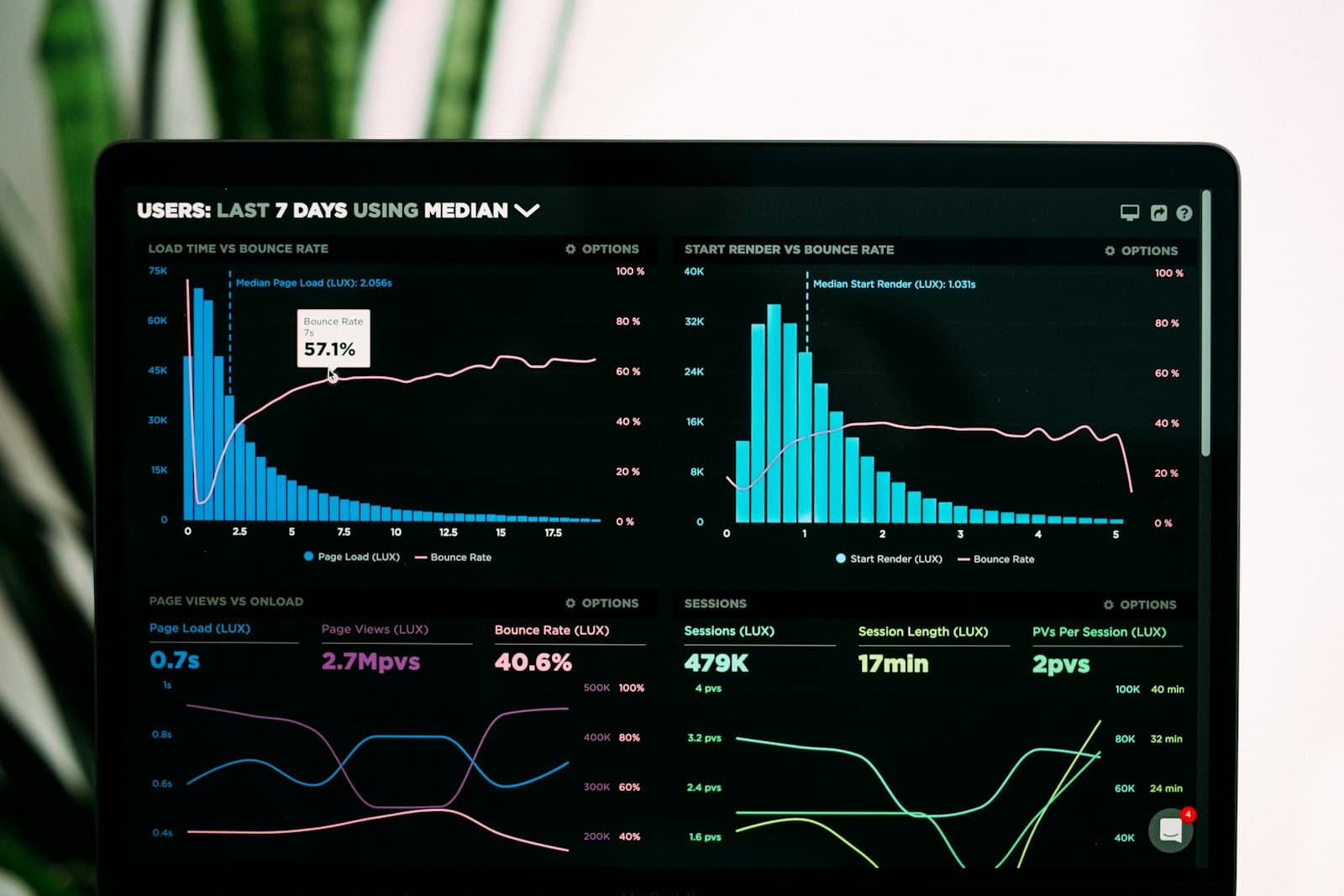
KPIs that prove impact (to your boss and to future-you)
The winning combo is speed plus perceived quality. Otherwise you are optimizing how fast you move… in the wrong direction.
- median time from application to first useful decision;
- async flow completion rate;
- share of manager interviews booked with pre-validated profiles;
- manager feedback on shortlist relevance;
- simple funnel diversity checks to watch for unintended skew.
Classic pitfalls (and how to dodge them)
- Automating everything without criteria: you just scale noise.
- Buzzword questions: strong profiles show up in concrete situations, not slogans.
- No human escape hatch: offer a clear contact path or scheduling option.
- Zero iteration: a pilot without a retro is a frozen prototype.
From guide to action
If you want to operationalize prequalification with guided voice flows, structured criteria, and decision-ready summaries for recruiter-manager reviews, HiLucy is built for that lane—without magic promises, with a strong bias for clarity and candidate respect.
Bottom line: scope the decision, standardize, measure, iterate. Keep the energy up on the team: hiring that moves feels different—and it shows up in your KPIs.
Frequently asked questions
- Where should you start to automate pre-screening?
- Pick a recurring role, write a scorecard shared with the hiring manager, run a 4–8 week pilot, and measure time-to-shortlist and candidate completion rate.
- Does automation replace the phone screen?
- It mainly replaces repetitive screening. Many teams hybridize: async AI for consistency, humans for edge cases and the manager interview.
- Which KPIs should an AI pre-screening pilot track?
- Recruiter minutes per candidate, application-to-shortlist delay, completion rate, share of manager interviews on pre-validated profiles, and manager feedback on relevance.
- Is automated pre-screening compliant / privacy-safe?
- Yes, when you minimize data, explain usage, secure access, and support data-subject rights. Compliance is a design requirement — not a nice-to-have sticker.
- Will candidates hate it?
- They mostly hate opacity and endless waiting. A clear, fast, fair flow often scores better than a silent inbox.
Want to move from reading to action? See how Hi Lucy automates your voice AI interviews and your approach to interviews powered by artificial intelligence.